 |
| Introduction |
Introduction:
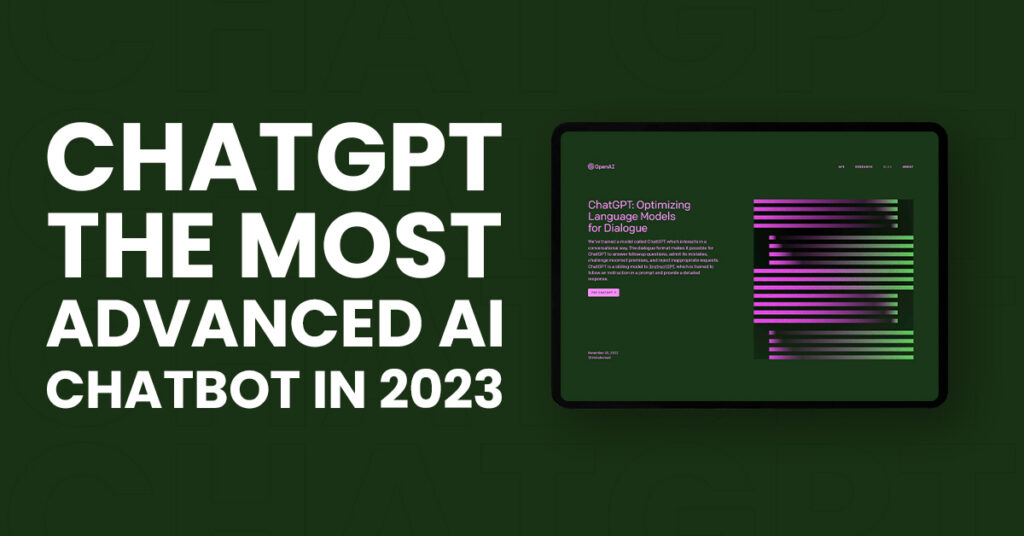
ChatGPT is an AI language model that has revolutionized the way we communicate with machines. It is based on the GPT-3.5 architecture and has been trained on a vast amount of text data, making it capable of understanding and generating human-like responses. In this blog, we will discuss how to use ChatGPT in 2023 and explore some of the exciting applications of this technology.
 |
| Getting Started |
Part 1: Getting Started with ChatGPT
Step 1: Choose a Platform
ChatGPT can be accessed through various platforms, including websites, mobile apps, and chatbots. Choose a platform that best suits your needs and preferences.
Step 2: Sign Up or Login
To use ChatGPT, you may need to sign up or log in to your account. This will enable you to save your conversations and preferences for future use.
Step 3: Start Chatting
Once you have signed up or logged in, you can start chatting with ChatGPT. Type in your message or question and wait for the AI to generate a response. You can also use voice commands or emojis to communicate with ChatGPT.
 |
| Advanced Features |
Part 2: Advanced Features of ChatGPT
Feature 1: Customization
ChatGPT allows users to customize their conversations by adjusting parameters such as tone, style, and personality. This can help users create a more personalized experience and make the AI more responsive to their needs.
Feature 2: Integration with Other Technologies
ChatGPT can be integrated with other technologies such as voice assistants, chatbots, and virtual reality systems. This can create a more immersive and interactive experience for users.
Feature 3: Multilingual Support
ChatGPT supports multiple languages, making it accessible to a global audience. This can be beneficial for businesses and organizations that operate in multiple countries and need to communicate with customers or clients in different languages.
 |
| Customer Service |
Part 3: Applications of ChatGPT
Application 1: Customer Service
ChatGPT can be used for customer service, providing users with instant and personalized responses to their inquiries. This can help businesses save time and money while improving customer satisfaction.
As a language model, ChatGPT can be used as a customer service tool by providing automated responses to customer inquiries and concerns. This can be done through a chatbot interface or integrated into a website or mobile app
To use ChatGPT for customer service, a company or organization would need to provide the model with a dataset of frequently asked questions and possible responses. ChatGPT can then use natural language processing to understand and respond to customer inquiries in a conversational manner.
Using ChatGPT as a customer service tool can provide several benefits, including:
1- 24/7 availability: ChatGPT can provide customer service assistance at any time of day or night, without the need for a human representative.
2- Increased efficiency: ChatGPT can handle multiple customer inquiries simultaneously, reducing the need for multiple human representatives.
3- Improved customer satisfaction: ChatGPT can provide quick and accurate responses to customer inquiries, leading to increased customer satisfaction and loyalty.
4-Cost-effective: Using ChatGPT as a customer service tool can be more cost-effective than hiring and training human representatives.
However, it's important to note that ChatGPT's responses may not always be perfect, and there may be some cases where a human representative is still needed to provide more personalized or complex support.
 |
| Education |
Application 2: Education
ChatGPT can be used in education to provide students with personalized tutoring and feedback. This can help students learn at their own pace and improve their understanding of complex topics.
1- Personalized learning: ChatGPT can help students with personalized learning by answering their questions and providing feedback on their work. For example, a student can ask ChatGPT to explain a difficult concept or to provide examples related to a specific topic.
2- Language learning: ChatGPT can be used as a language learning tool by engaging students in conversation and providing feedback on their grammar and vocabulary. This can be particularly useful for language learners who want to practice speaking and listening in a natural setting.
3- Assistance for teachers: ChatGPT can assist teachers in creating and delivering lessons by providing them with ideas and suggestions for activities, resources, and assessments. For example, teachers can ask ChatGPT to recommend articles, videos, or interactive tools related to a specific topic.
4- Assessment and feedback: ChatGPT can be used for automated grading and providing feedback on assignments. This can be particularly useful for multiple-choice questions, where ChatGPT can provide immediate feedback to students and save teachers time and effort in grading.
5- Virtual tutoring: ChatGPT can serve as a virtual tutor for students who need extra help outside of class. For example, students can ask ChatGPT to explain a specific problem or concept that they didn't understand in class.
Overall, ChatGPT can enhance the learning experience for students and provide teachers with new tools to create engaging and interactive lessons. However, it's important to note that ChatGPT should not replace human interaction in education, as human teachers and mentors play a critical role in the learning process.

ChatGPT can be used in healthcare to provide patients with personalized health advice and support. This can be particularly beneficial for individuals who live in remote or underserved areas and have limited access to healthcare services.
Patient triage: ChatGPT can be used to triage patients and determine the severity of their symptoms before they see a healthcare professional. ChatGPT can ask patients a series of questions to determine their symptoms and recommend appropriate next steps, such as scheduling an appointment or seeking emergency care.
Patient education: ChatGPT can provide patients with information on various health topics, such as medications, diseases, and treatments. Patients can ask ChatGPT questions about their health, and ChatGPT can provide evidence-based information to help them make informed decisions.
Mental health support: ChatGPT can provide mental health support to patients by engaging them in conversation and providing emotional support. ChatGPT can also provide resources and referrals for patients who need further support.
Health monitoring: ChatGPT can be used to monitor patients' health by asking them questions about their symptoms and tracking their progress over time. For example, patients with chronic conditions can use ChatGPT to log their symptoms and receive recommendations for managing their condition.
Administrative support: ChatGPT can provide administrative support to healthcare professionals by answering common questions about insurance, billing, and scheduling. This can help reduce the workload of healthcare professionals and improve the patient experience.
Overall, ChatGPT can enhance the healthcare experience for patients by providing personalized support and education. However, it's important to note that ChatGPT should not replace human healthcare professionals, as they play a critical role in providing medical care and making treatment decisions.
 |
| ChatGPT |
In conclusion, ChatGPT is a powerful AI language model that has many exciting applications in 2023 and beyond. By following the steps outlined in this blog, users can start chatting with ChatGPT and explore its advanced features. From customer service to education and healthcare, ChatGPT has the potential to transform the way we communicate with machines and each other. As this technology continues to evolve, we can expect to see even more innovative and beneficial applications of ChatGPT in the years to come.




No comments:
Post a Comment